
January 7, 2026
Shower waterproofing membranes: three systems, one rule
Liquid membrane, bonded sheet or foam panels: all three work. What makes them fail is always the same thing.
Read the guide →Tile installation · Eastern Townships
What decides how long a tile job lasts sits underneath it: substrate flatness, the membrane, the mortar and the movement joints. Here is how each job is done, what a quote should name, and why two prices can differ by half.
What sits under the tile
A quote naming only the tile describes one layer out of four.
The work
A shower, a backsplash and a balcony share neither substrate, membrane nor mortar. Here is what each one actually involves.
 01
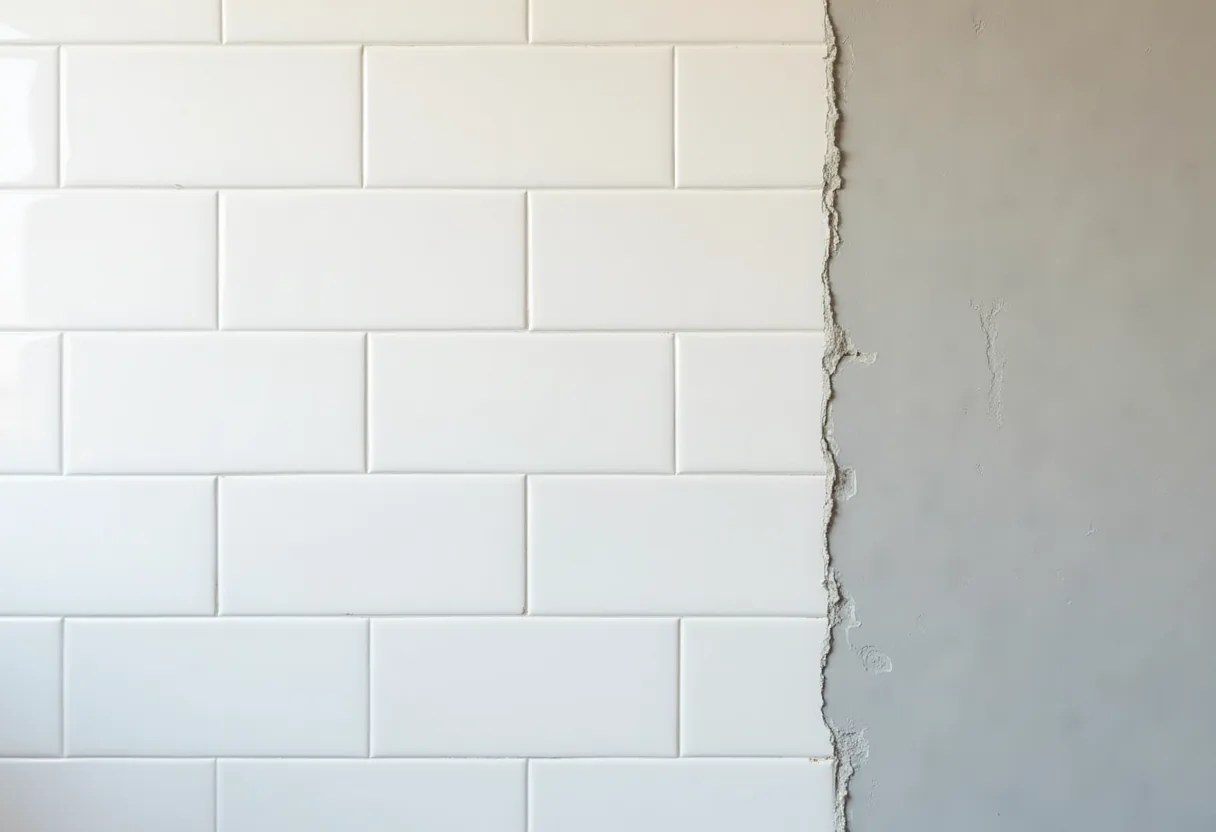
01
Walls, floor and tub surround: where waterproofing starts and where tile alone is not enough.
Wet room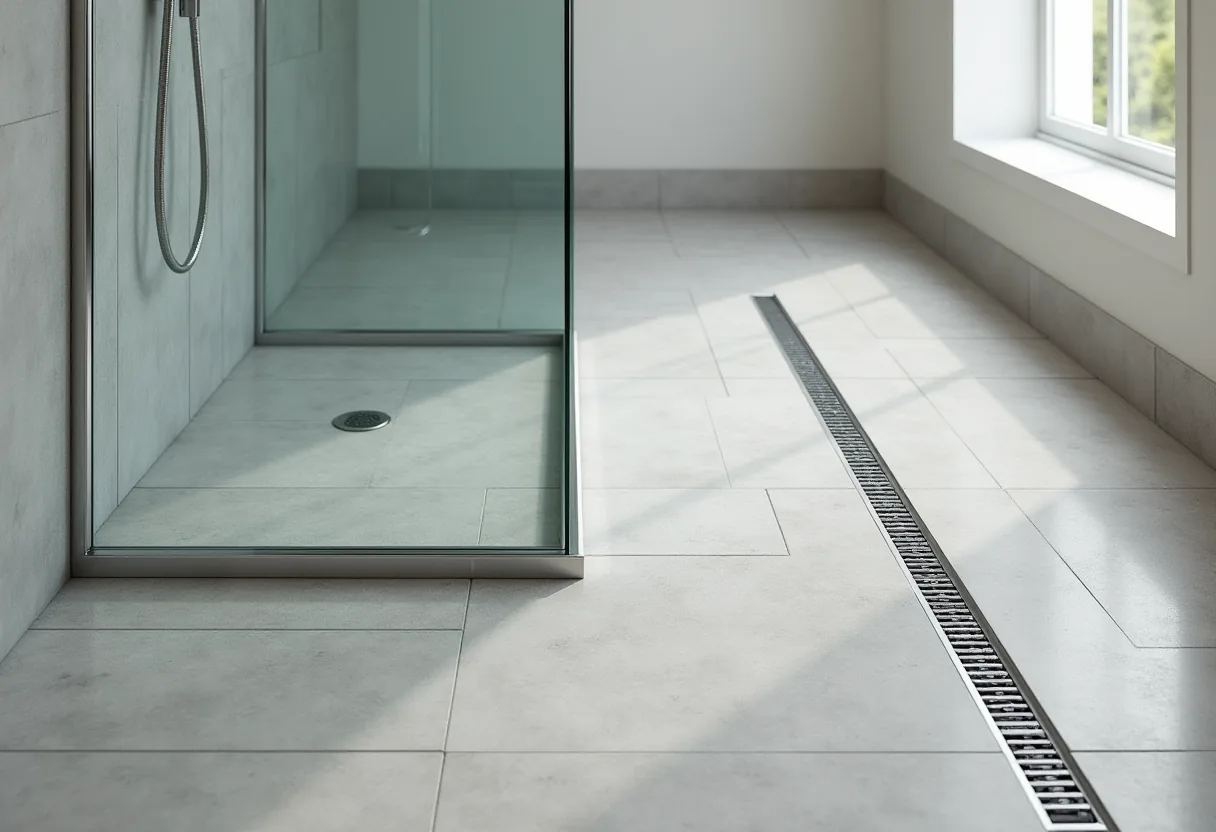 02
02
Slope to drain, membrane and flood test: the three points where a shower is won or lost.
Slope and membrane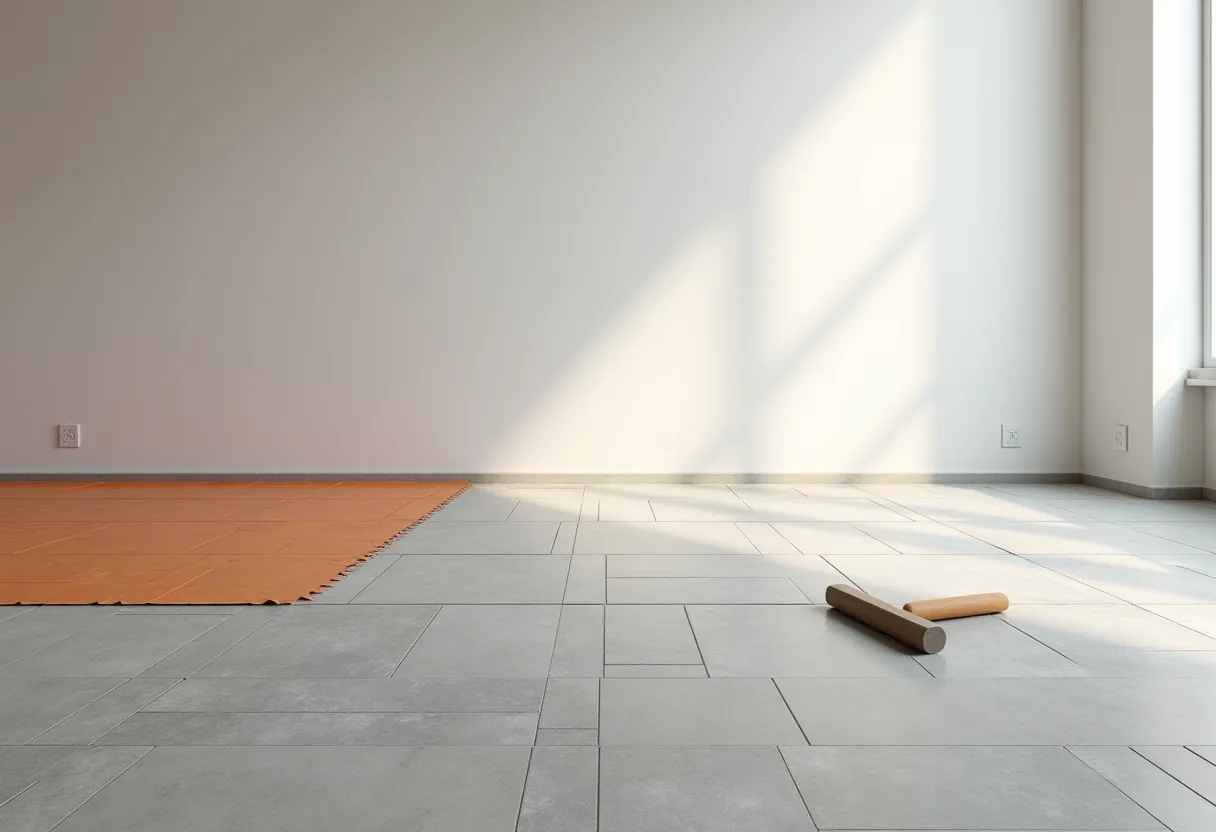 03
03
Floor deflection, substrate flatness and movement joints: what actually cracks a tile.
Flatness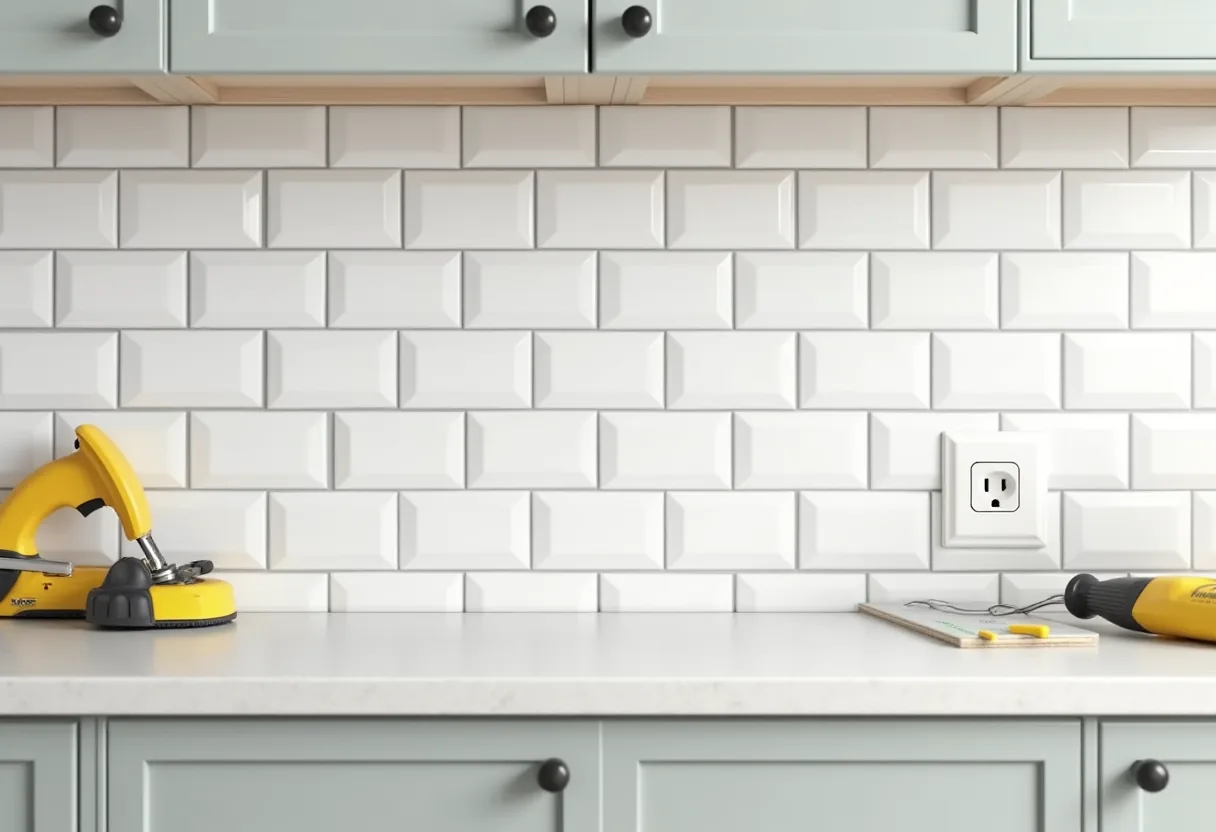 04
04
Mosaic, subway or large format: why a small surface costs so much per square foot.
Small surface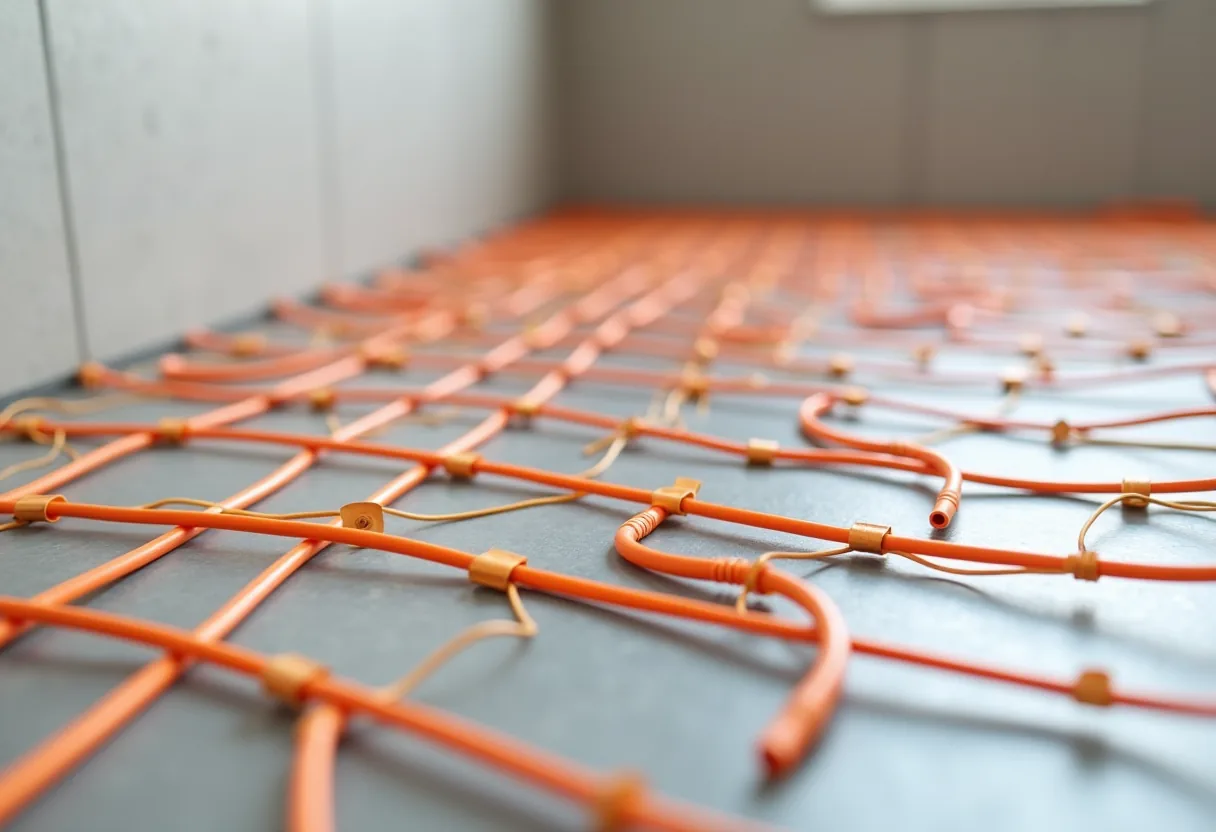 05
05
Cable, mat or heated uncoupling membrane: what gets decided before the tile goes down, never after.
Cable or membrane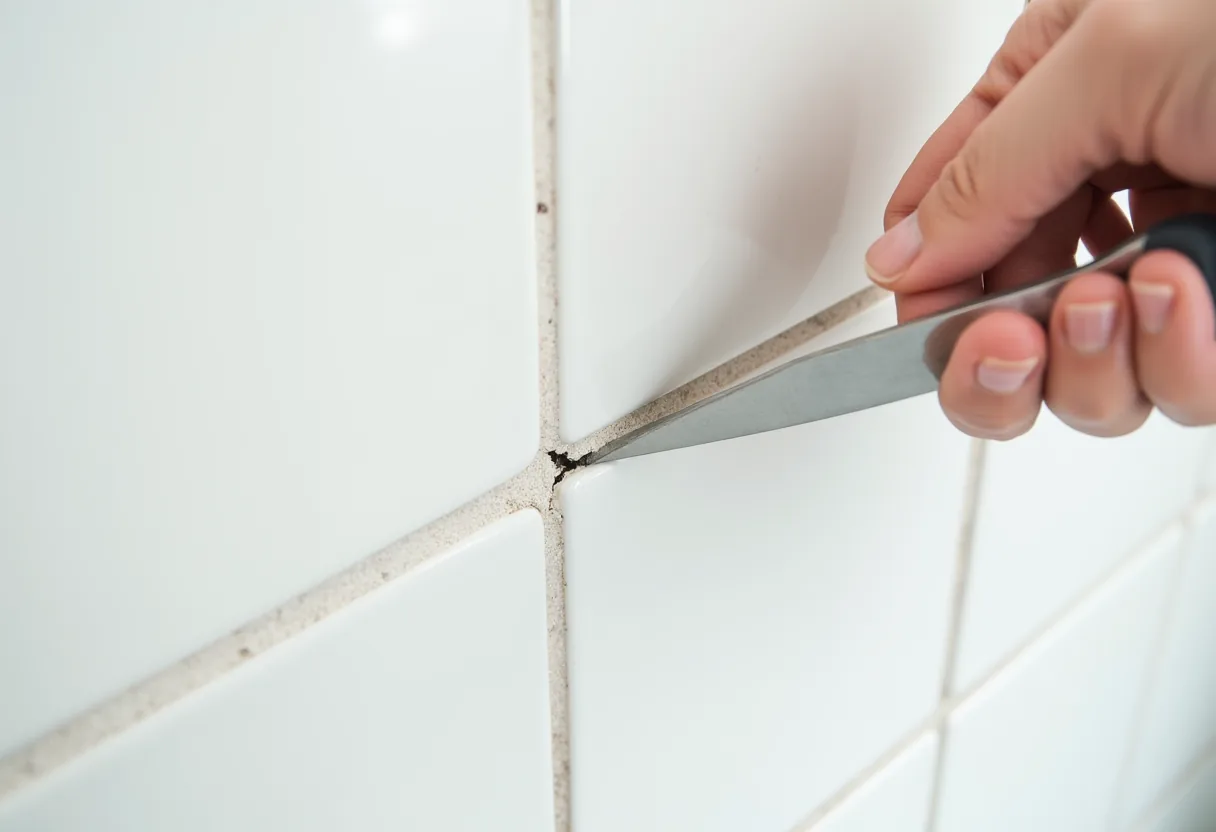 06
06
Cracked grout, blackened joints, failed caulk: what can be repaired and what signals a deeper problem.
Maintenance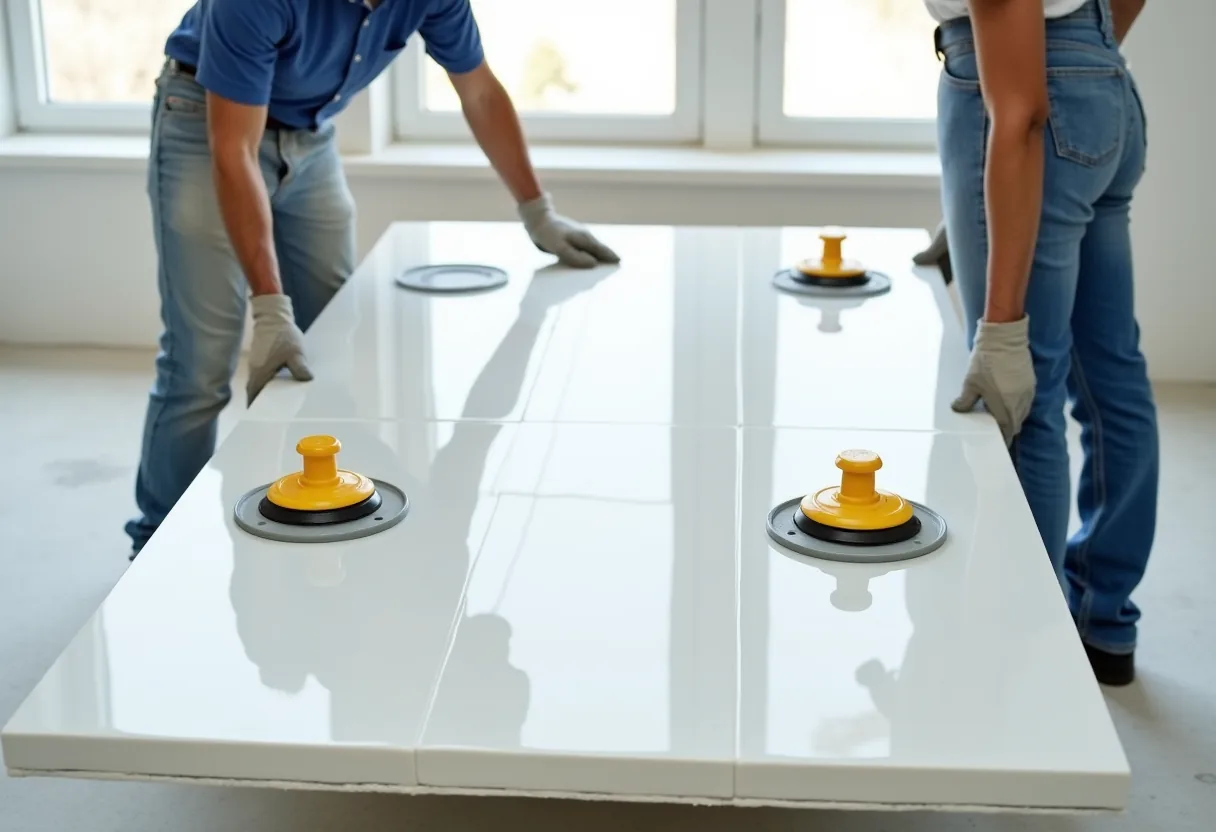 07
07
The bigger the tile, the less the substrate forgives. Levelling, mortar and alignment systems.
XXL slabs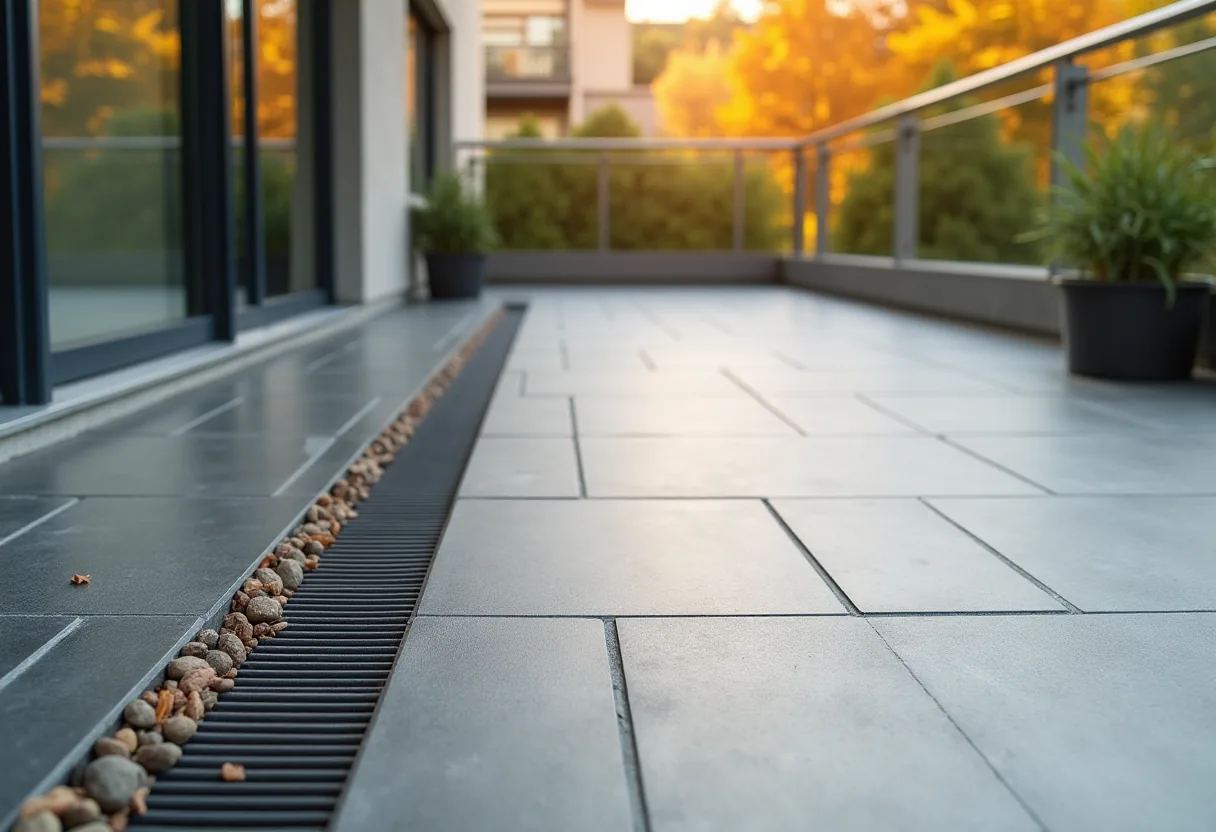 08
08
Balcony, terrace, entryway: why tile installed outdoors in Quebec follows entirely different rules.
Freeze-thawHow it should go
Flatness measured with a straightedge, floor rigidity, wall condition, presence of moisture. That diagnosis determines everything else, and it does not happen over the phone.
It should name the membrane, the mortar type, the joint width, the grout and what happens to the substrate if it is out of plumb. Without those, two prices do not compare.
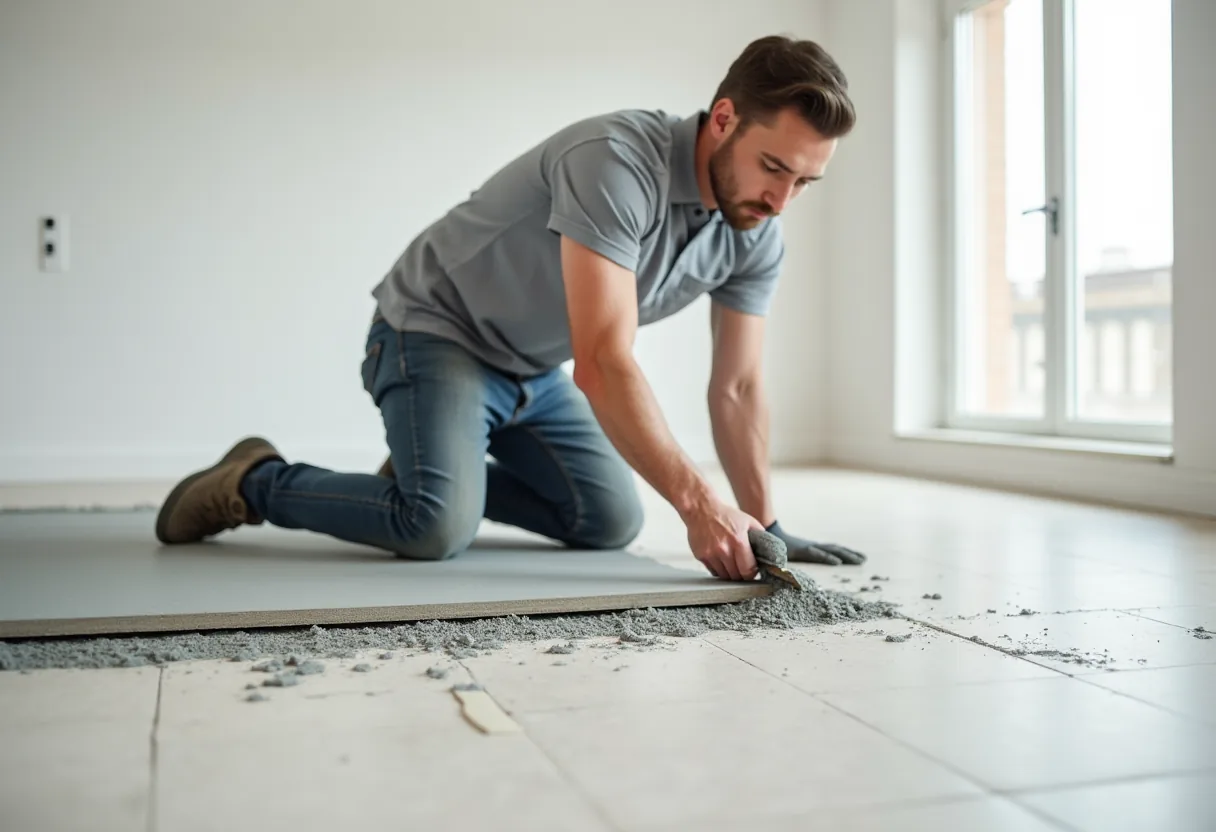
Levelling, backer board, membrane, and on a shower, the flood test before the first tile. That is half the job time and the invisible half.
Layout decided with you, movement joints at the perimeter and at changes of plane, grout then caulk at the corners. Corners are not grouted, they are caulked.
How to recognize a good installer
A contractor who opens with tile, colour and pattern is selling a product. One who starts by measuring flatness, testing floor rigidity and asking what is behind the wall is doing the trade. The difference shows on the first visit.
Territory covered by this site
From Sherbrooke to Granby, through the villages of the Val-Saint-Francois and the Haut-Saint-Francois. Each page covers what is specific to its building stock.
The contractor refused to tile my floor until the deflection was corrected. He was right: my first installer had cracked the same room two years earlier.
A 24-hour flood test done in front of me before the first tile went into the shower. I did not even know that existed.
The quote named the membrane type, the mortar and the joint width. That is what let me understand why one bid was 40 percent cheaper.
They explained why my 24 by 48 slabs needed the floor levelled first. It added to the budget, but not one tile moves.
My grout was blackening in one corner. Instead of redoing it, they traced where the water came from. It was the tub caulking.
Good work on the backsplash. It took a day longer than planned because of an out-of-square wall, which was explained before they continued.
The guides
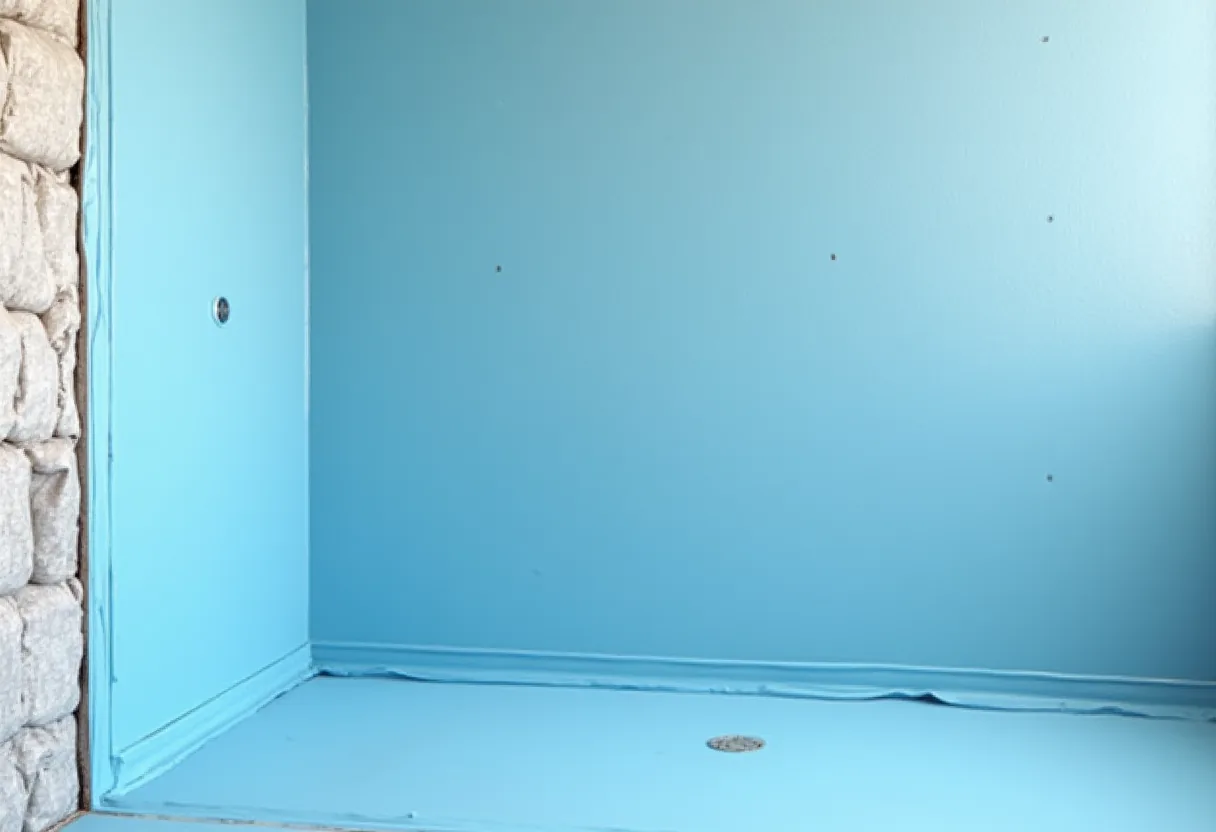
Liquid membrane, bonded sheet or foam panels: all three work. What makes them fail is always the same thing.
Read the guide →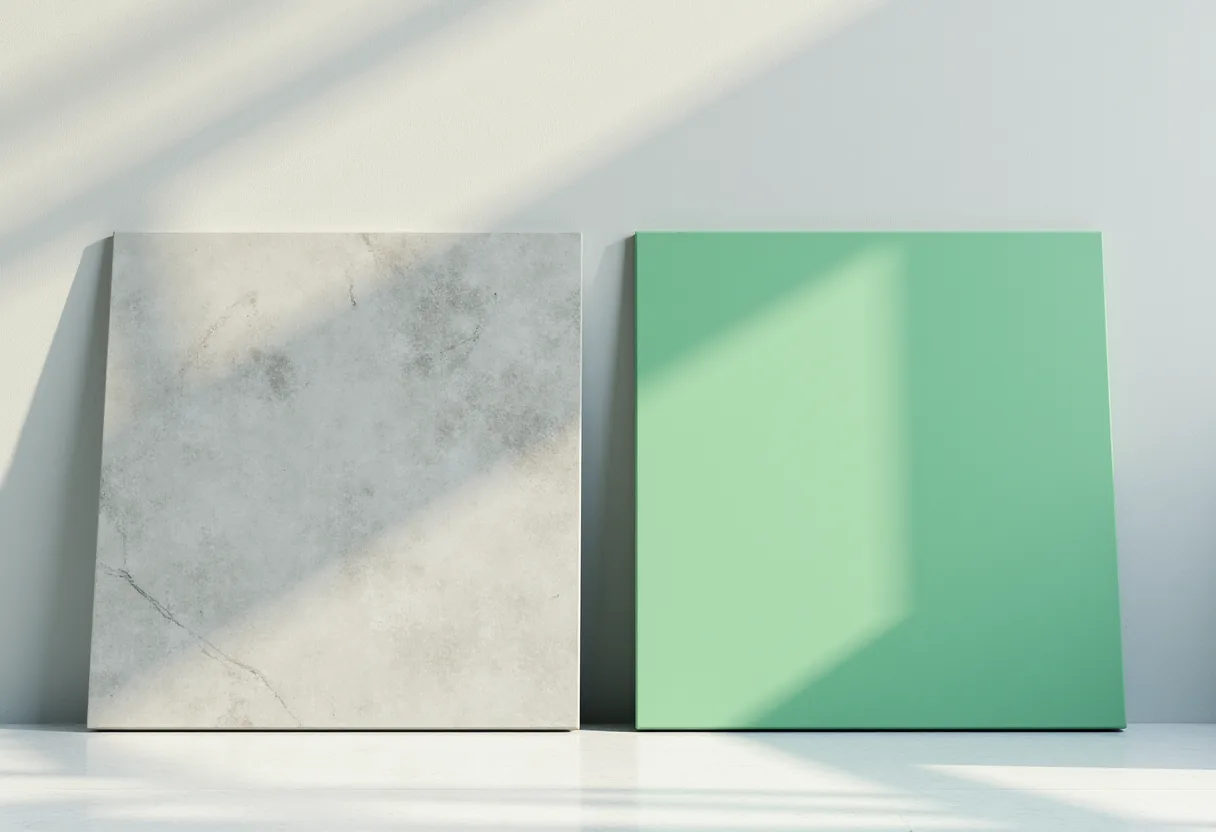
Green board handles ambient humidity. It does not handle liquid water. In a bathroom, that distinction decides everything.
Read the guide →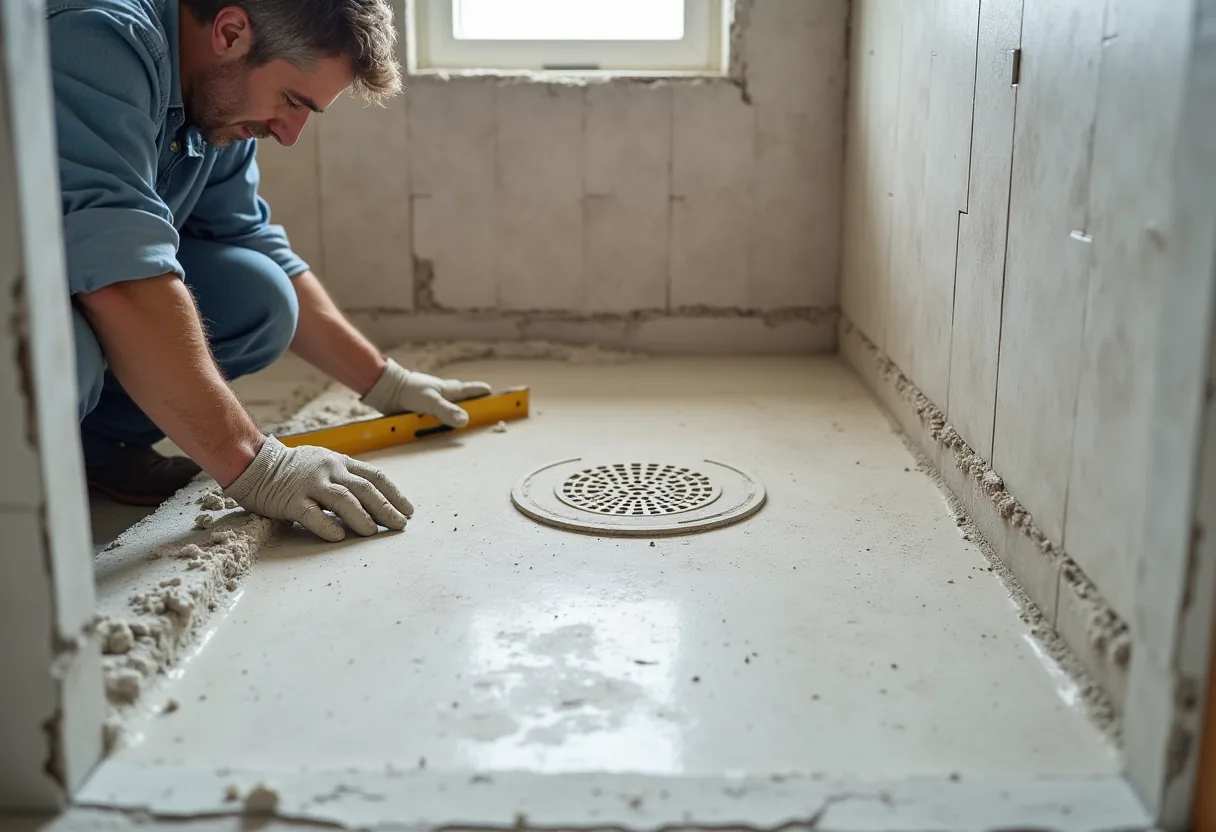
Slope is not made by tilting tiles. It is created in the mortar under the membrane, and it is verified before anything covers it.
Read the guide →Send your request through this form. It goes to an accredited contractor in your region, who assesses the substrate and issues their own quote.