
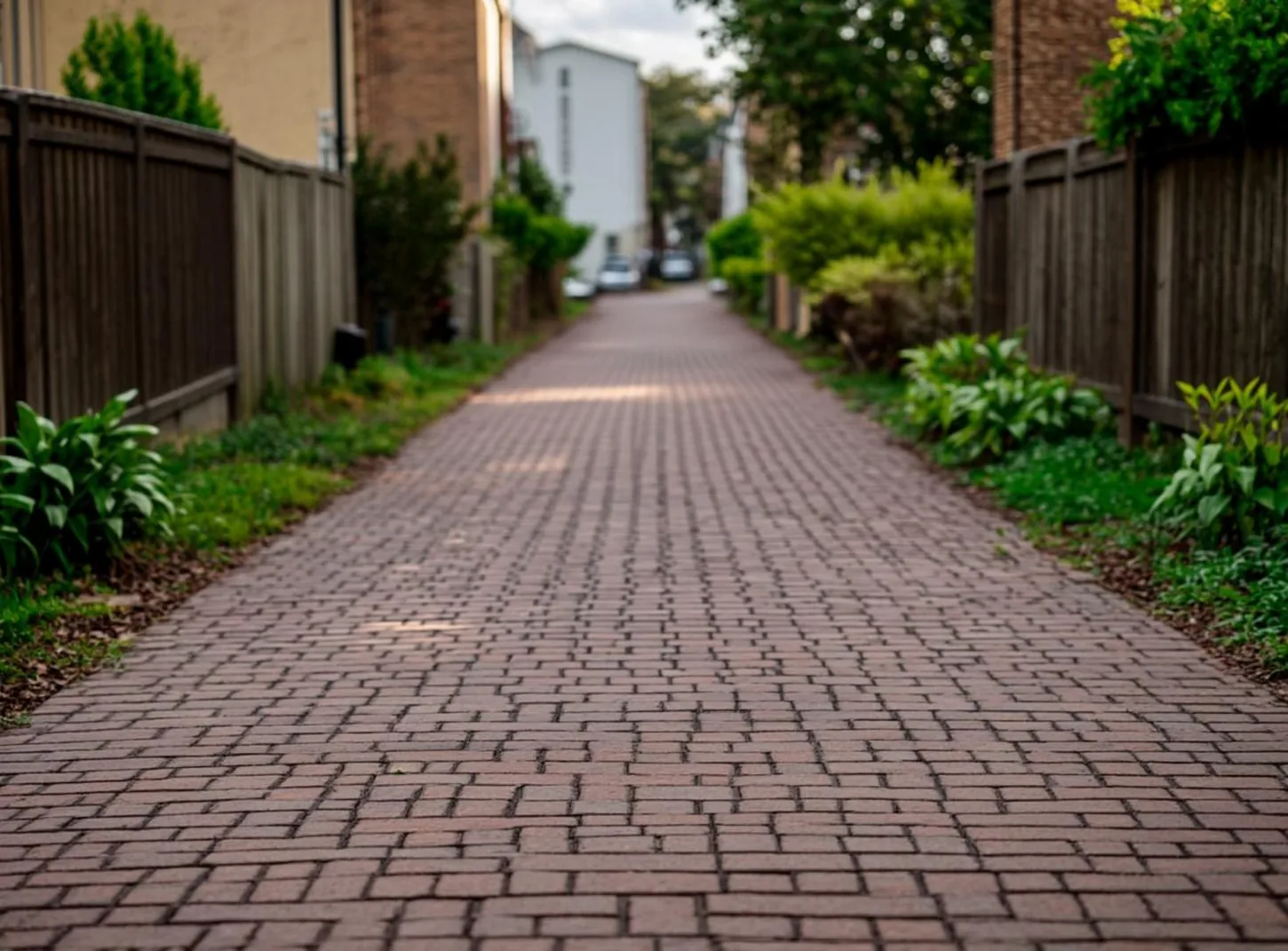
Paver Driveway
A paver driveway is built on a crushed-stone base compacted in 10 cm lifts, with a 2 % slope carrying water away from th…
See the service →UniPierre — Sherbrooke, Eastern Townships
Driveways, patios, walkways, walls and permeable pavers: UniPierre reads the soil before laying a single paver, compacts the base in lifts and strikes the slope on a string line. In Sherbrooke and the Townships.
The method
A paver that sinks is almost always a base too thin or water held below. UniPierre excavates, compacts and drains before laying, in that order, on every job.
01
A test trench reveals whether the lot is clay, sand or fill. The base thickness follows, never at random.
02
The dig goes to the planned depth, with the 2 % slope already written into the bottom. The water will have a path, not a puddle.
03
Crushed stone is spread and beaten in 10 cm lifts with a plate vibrator. One thick layer poured at once never compacts to the core.
04
The paver goes down at a 3 mm joint, polymeric sand locks it at the first watering, and the final plate pass beds the pattern.
Our services
A paver driveway is built on a crushed-stone base compacted in 10 cm lifts, with a 2 % slope carrying water away from th…
See the service →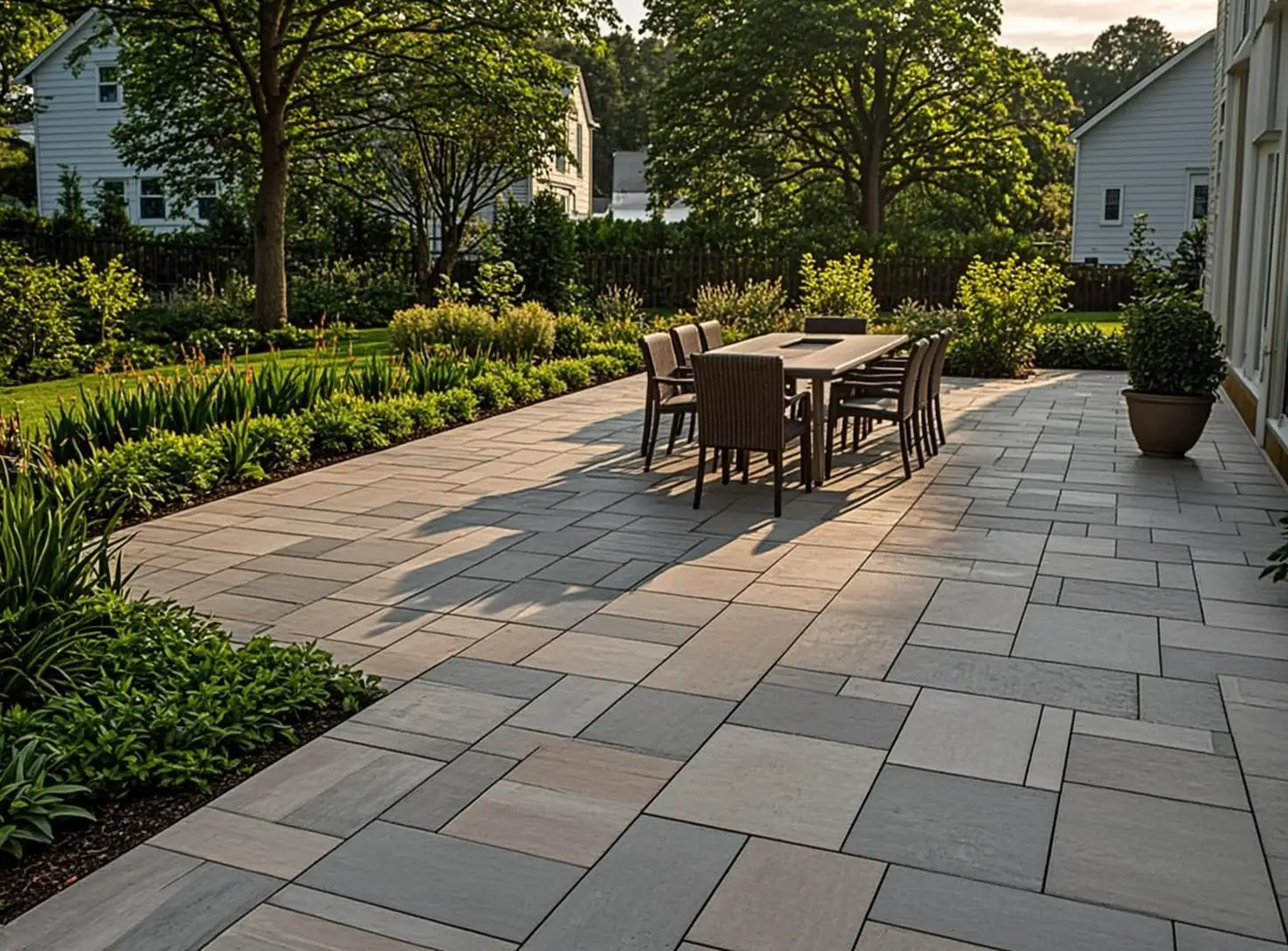
A paver patio sits on a levelled base and a geotextile fabric separating the stone dust from the clay soil. The paving i…
See the service →
A walkway is laid at least 90 cm wide to let two people pass side by side, with edge restraints that keep the pattern fr…
See the service →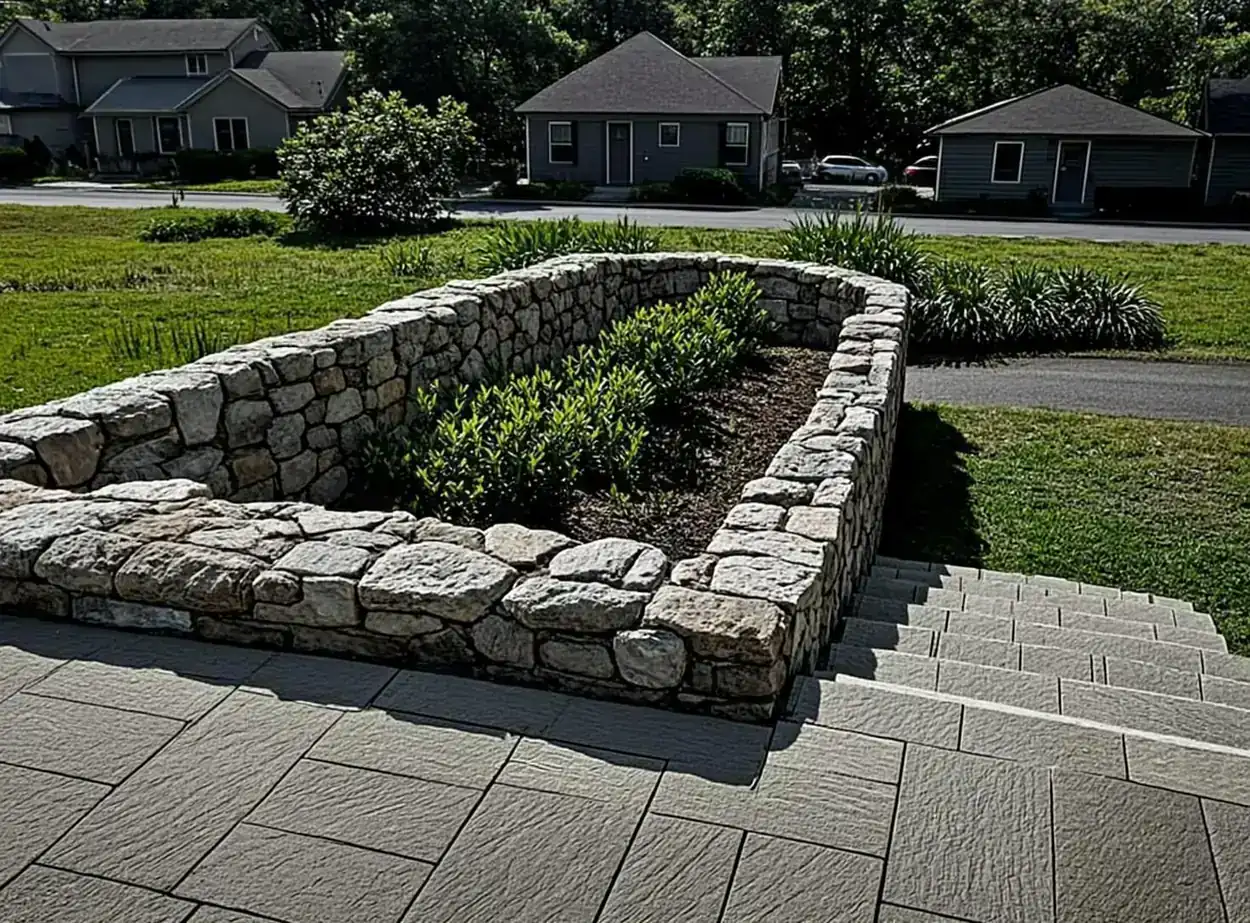
A retaining wall under 90 cm goes up dry on a compacted gravel footing, with a gravel drain behind it carrying water awa…
See the service →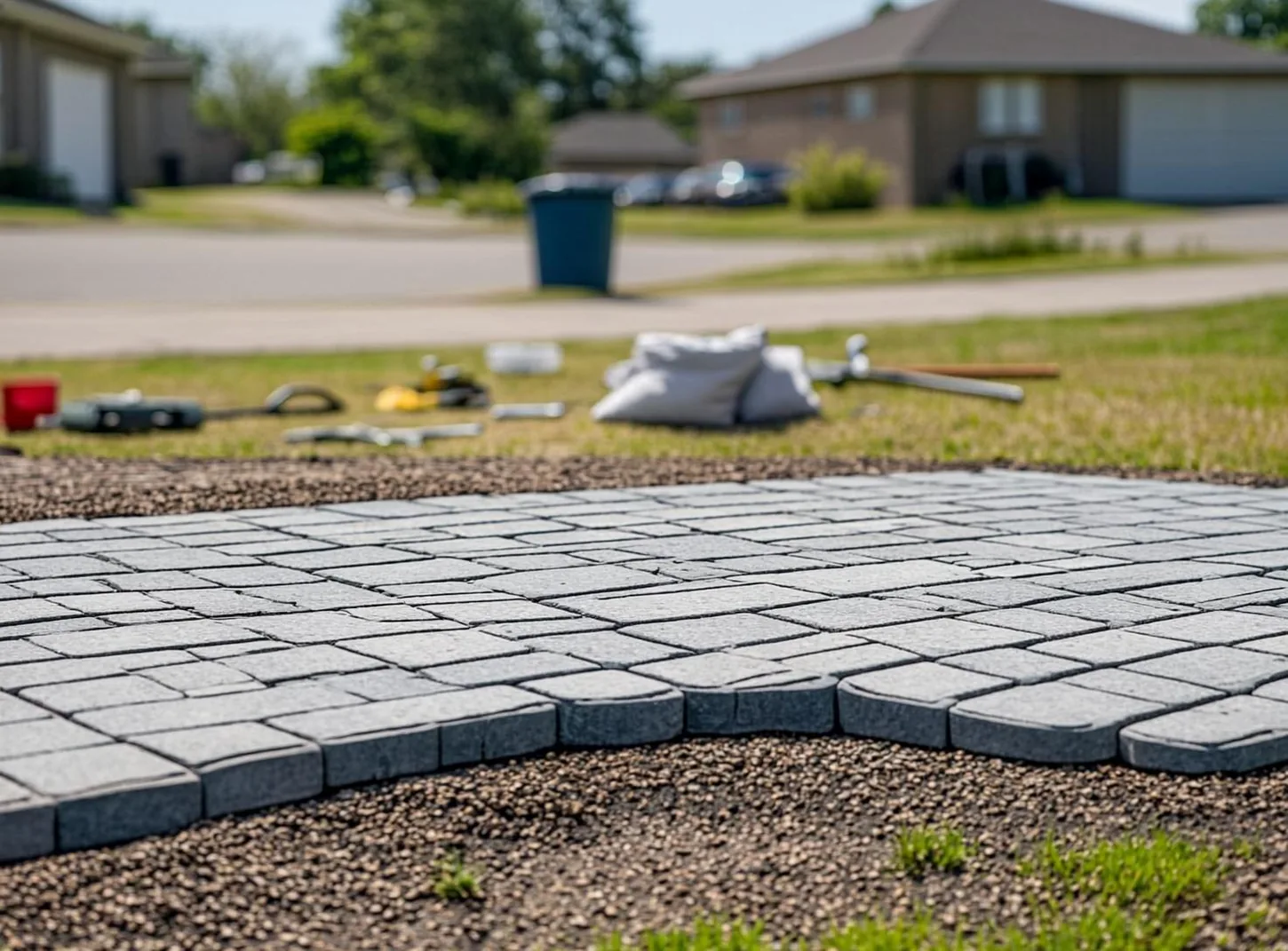
Permeable pavers let water pass through the wide joints and soak into a clean-stone reservoir under the surface, instead…
See the service →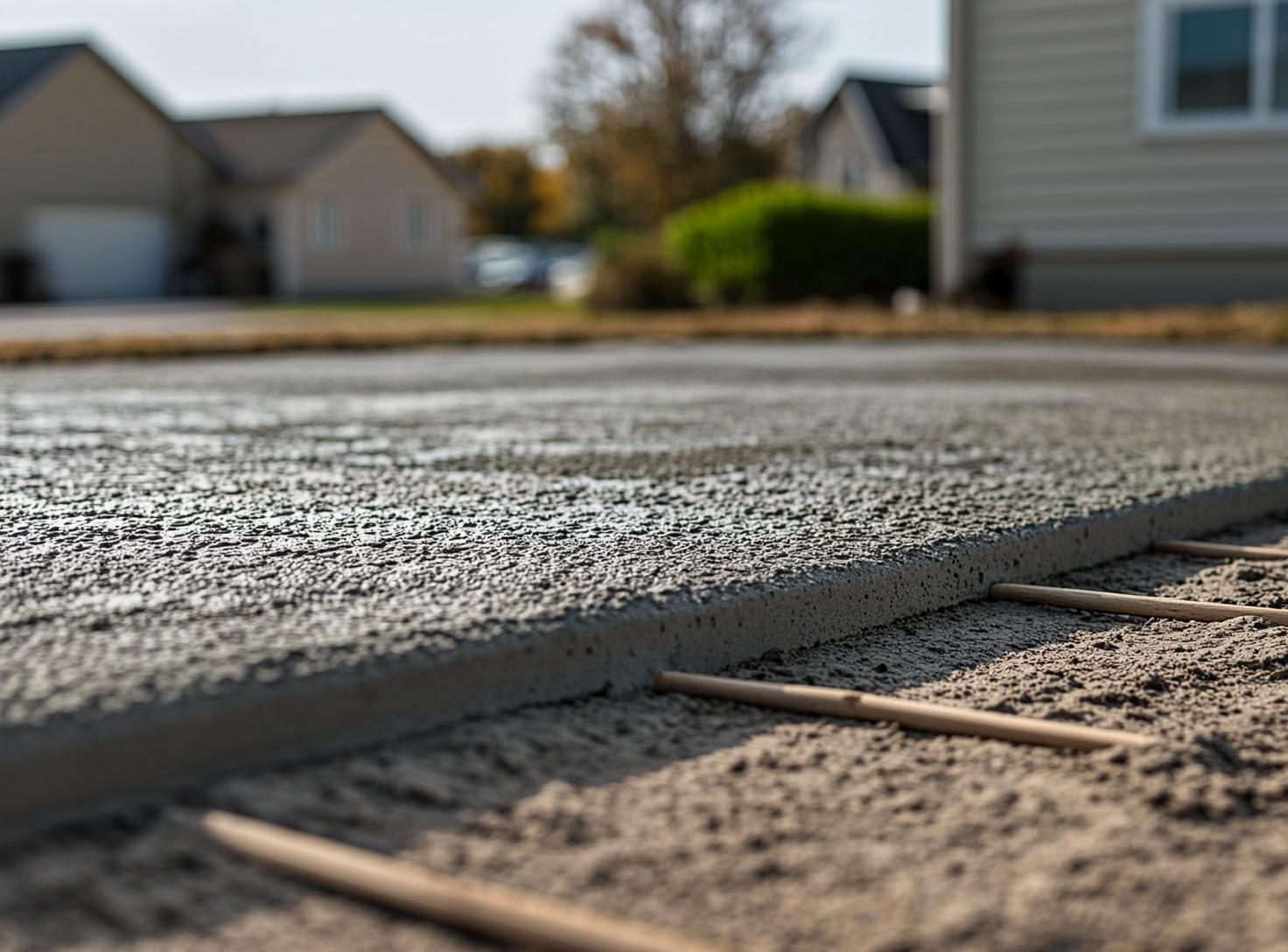
A paving that sinks is taken back by lifting the pavers in the zone, recompacting the base and relaying the pattern at t…
See the service →
The company
UniPierre works the Townships ground from the subgrade rather than from a catalogue: every paving starts with a test trench, and the soil that comes out of it — clay, sand or fill — sets the base thickness. An interlock driveway that carries cars wants a deeper bed than a garden walkway, and a clay lot in Rock Forest wants more stone than the sandy soils near Magog.
The proof of a finished job reads at the joint: after the pavers go down and the polymeric sand hardens, water must leave the surface on its own, toward the street or the garden. A paving that holds a puddle keeps a saturated base, and the frost will lift it. It is that slope, struck on a line and checked with a rule, that separates a paving that holds from one that is refilled every spring.
In the field
A paving rarely fails on its own. The paver that sinks in the spring, the border that opens at the edge, the patio that holds a puddle after every rain — each one is the same base talking. The trouble starts under the surface weeks after the install, and that is exactly when a lift-compacted base still holds and the call stays short. Waiting for the pattern to wave is how a level driveway becomes a re-excavation.
The Townships freeze-and-thaw cycle works a base harder than steady cold. Water seeps into the sand bed in the fall, freezes and heaves the pavers over the winter, and by spring the joints have opened where the base was too thin. That is why a Sherbrooke paving that was dead level in October can wave in April, and why the drainage matters more than the pattern when the ground keeps moving.
A saturated base is not fixed by relaying the top. The water that sits under the paver must go somewhere — a gravel drain, a permeable bed, a slope toward the street. UniPierre reads where the water goes before laying again, because a paving you redo every spring is a paving whose drainage was never built.
Reviews
The driveway sank on two pavers every spring, water sitting against the foundation. The crew lifted the zone, recompacted the base and relayed the pattern level…
Luc M. — Sherbrooke
The back patio became our summer room. The base was compacted in lifts, the geotextile laid over the clay, and the paving plate-compacted. The polymeric sand ho…
Diane R. — Rock Forest
The 90 cm walk to the door now follows a gentle curve, edged on both sides. The edge restraint keeps the pattern tight even in thaw. The site stayed clean start…
Michel B. — Magog
The retaining wall has held the garden slope for three years without moving a millimetre. The gravel drain behind does its job; no frost push. The blocks are st…
Carole T. — Coaticook
The lot flooded with every heavy rain, the lawn stayed spongy for days. The permeable pavers solved it: water runs through the joints and soaks into the stone r…
André L. — Lennoxville
Service area
The blog
2026-08-18
Durable Paver Driveway in Sherbrooke | UniPierre
A paver driveway does not last by luck: it lasts by its base. Here are the four points that separate a twenty-year drive
2026-08-05
Paver Driveway Width in Sherbrooke: Plan It Right | UniPierre
A driveway too narrow is regretted every morning: the door hitting the wall, the car spilling into the street. Here are
2026-07-22
Laying a Paver Patio Step by Step in Sherbrooke | UniPierre
A paver patio is not laid in an afternoon: it follows a strict order, from excavation to the final plate pass. Here are
Describe the surface, the lot and how long it has moved: we prepare a clear estimate and tell you whether the base is worth redoing before the top.
Request an estimate