August 19, 2026
Cockroaches in Apartments: Treating Alone Never Works
They travel through party walls and plumbing chases. The untreated neighbour sends them right back.

Sherbrooke · Eastern Townships · no travel charge
A mouse fits through a six-millimetre hole. A carpenter ant only excavates wood that is already damp. As long as the cause stays in place, treatment repeats — which is why we start with the inspection.
Our services
A bed bug is not treated like an ant, and a carpenter ant is not treated like a pavement ant. Identifying the species is the first step, not a detail.
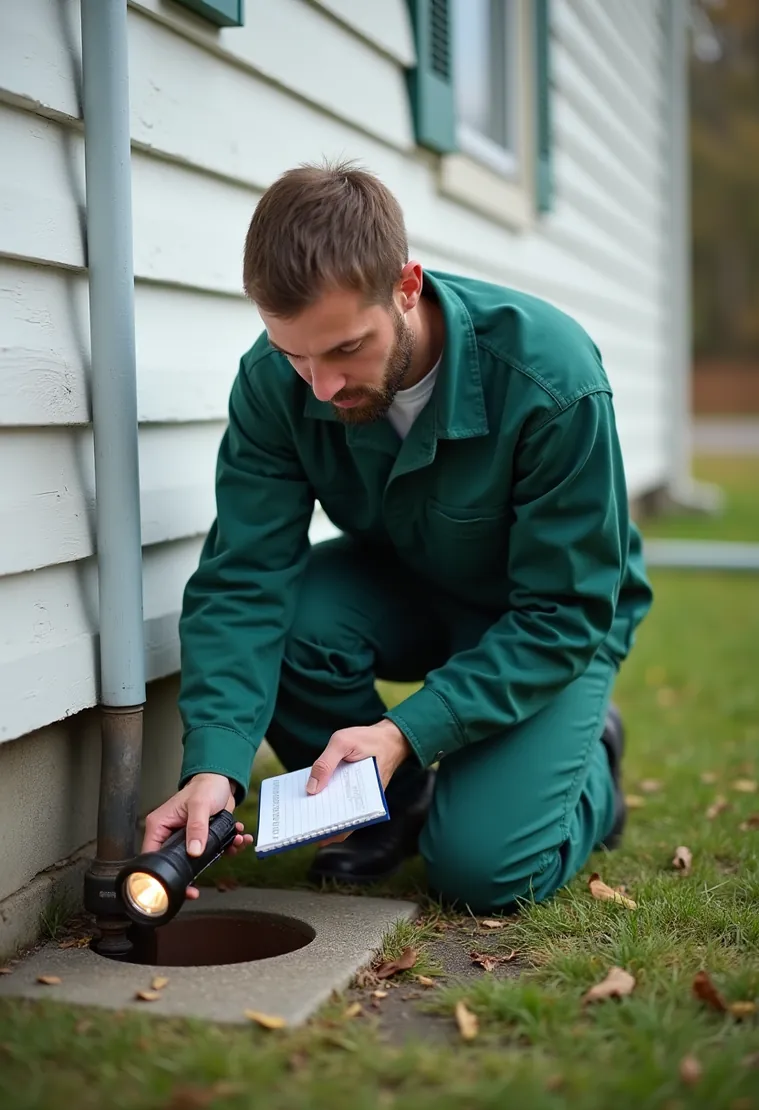
The hole they enter through is the size of a dime. Finding the entry matters more than setting traps.

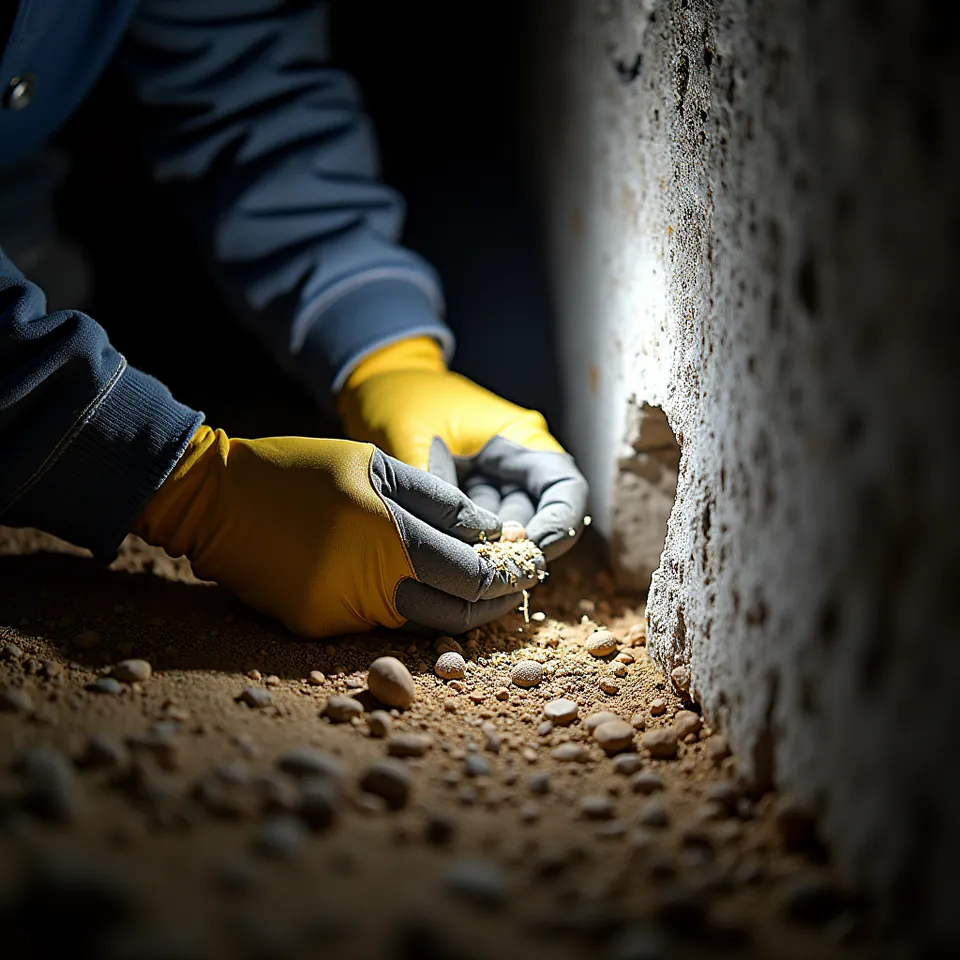
They do not eat wood, they hollow it. And they only hollow wood that is already damp.
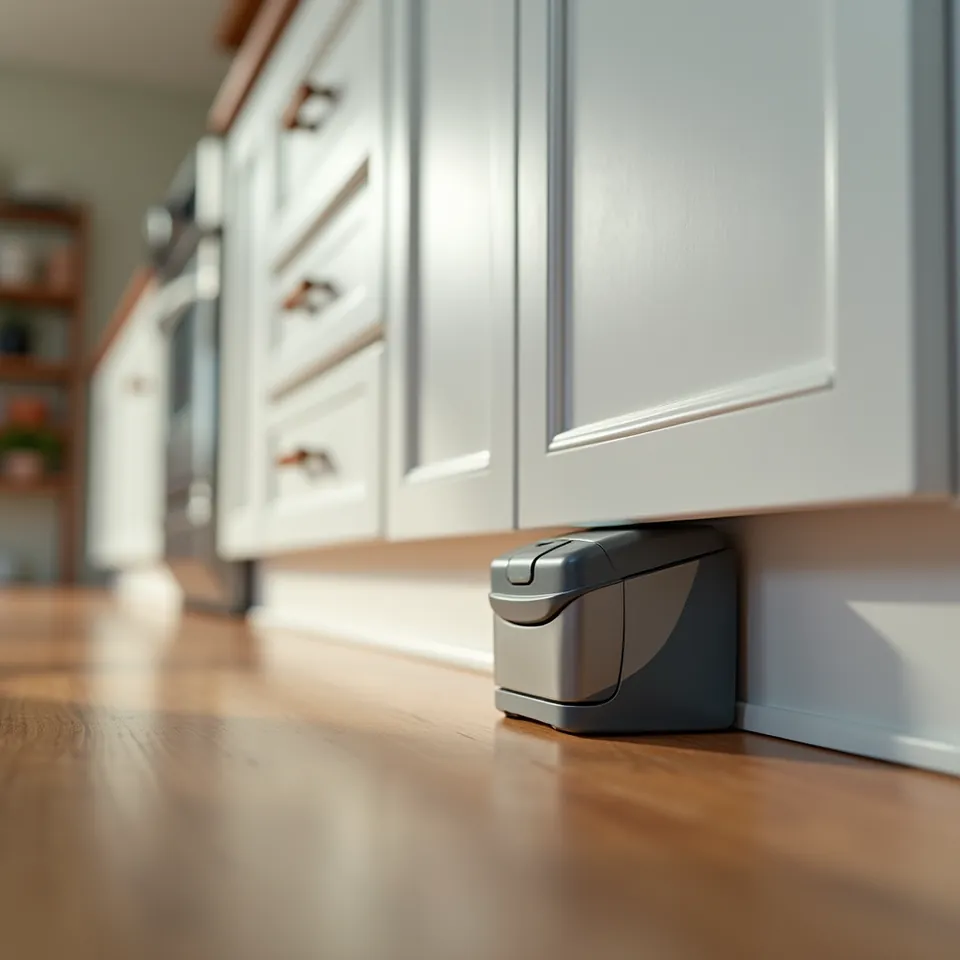
The small black kitchen ants. Badly placed bait scatters the colony instead of eliminating it.
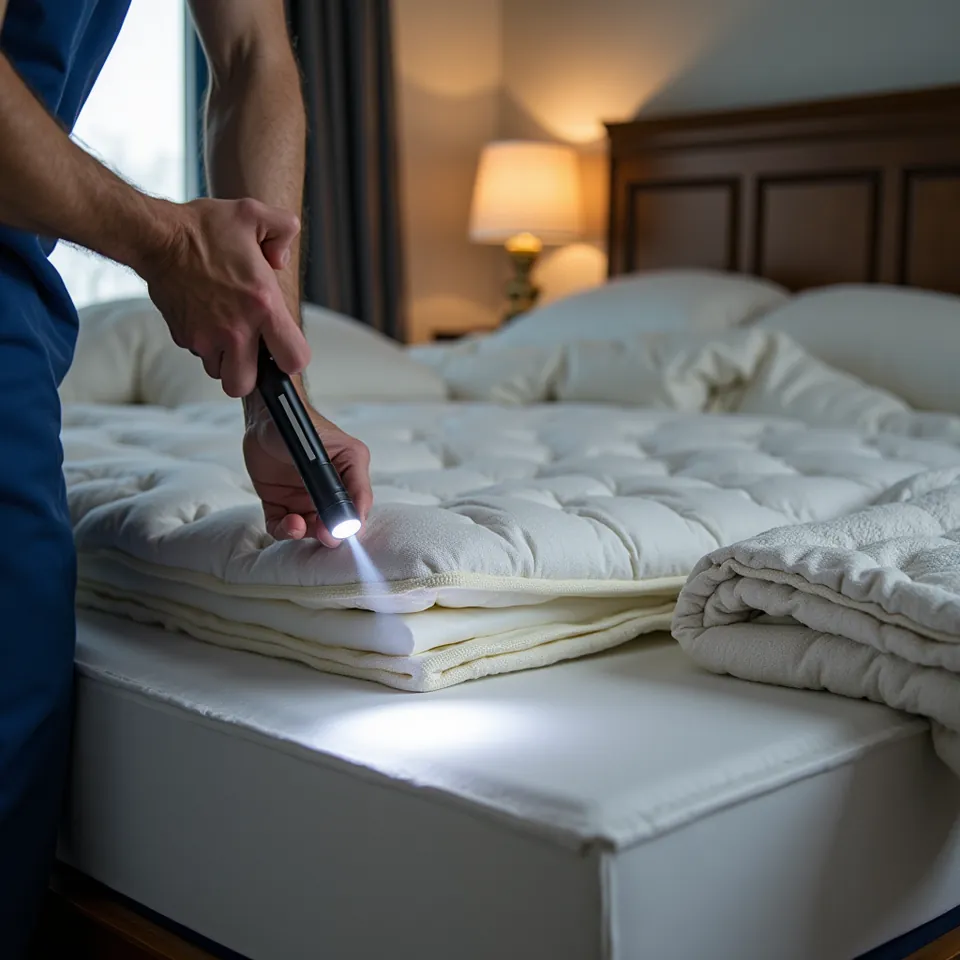
Mandatory multi-visit treatment, because the eggs survive what kills the adults.
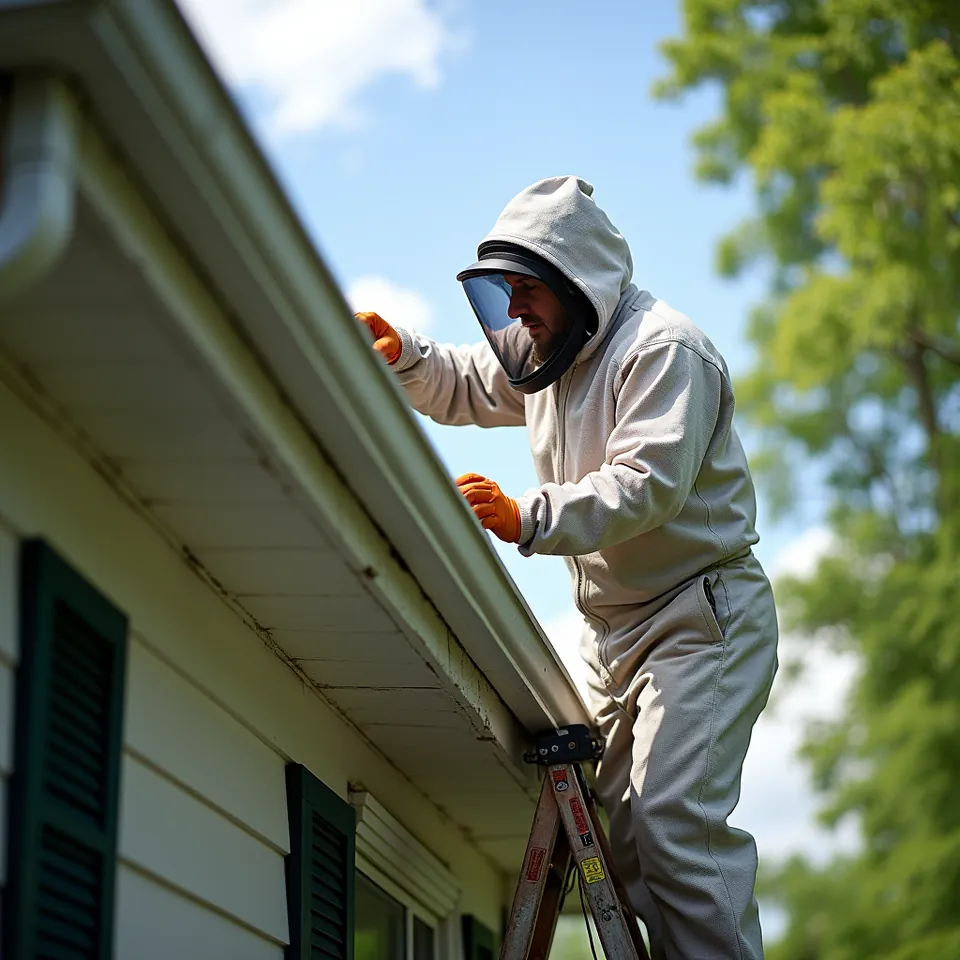
A nest in a wall is never sealed from outside: the wasps come out through the inside.
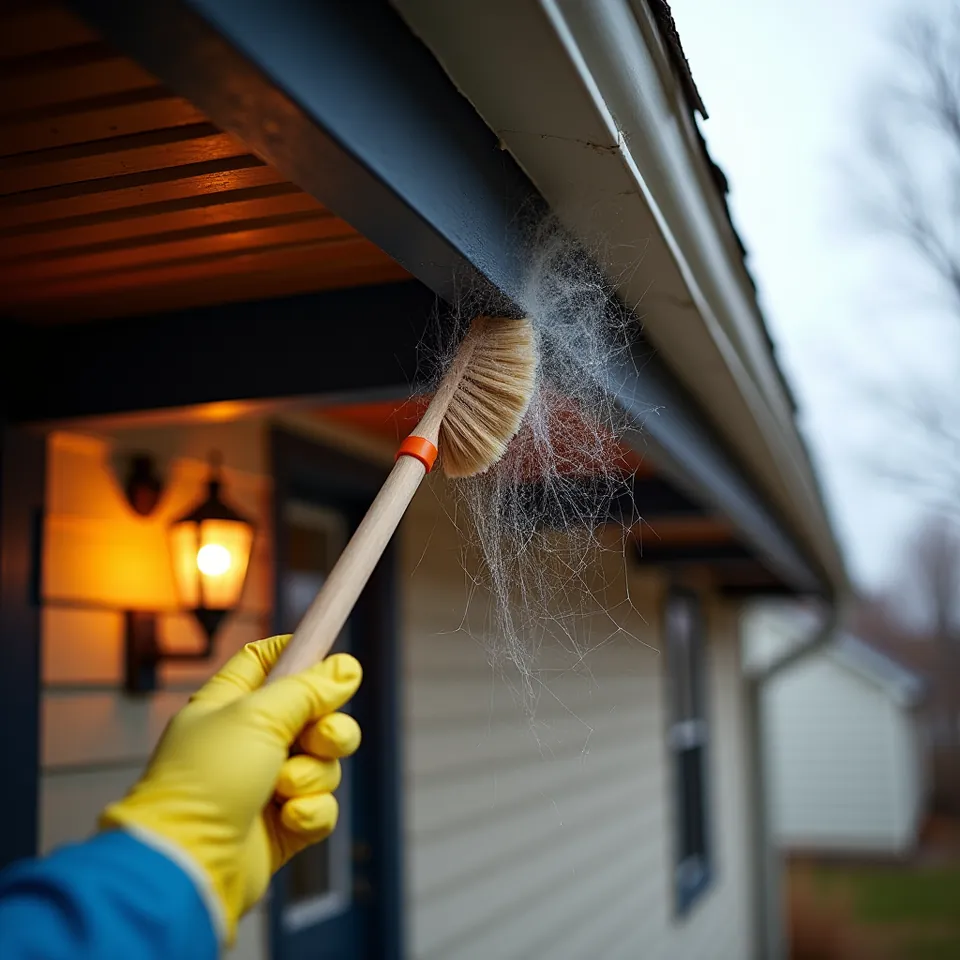
They follow their prey. Treating spiders without treating what they eat does not last a season.
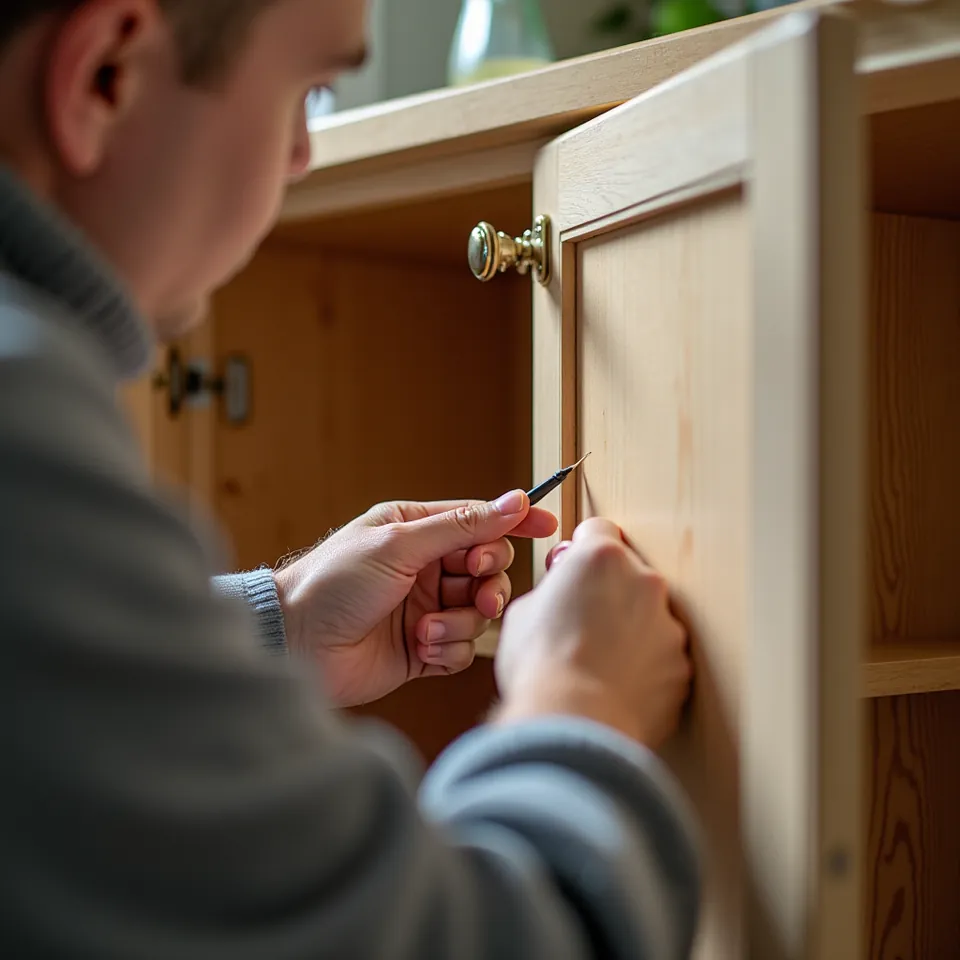
In multi-unit buildings, treatment that skips neighbouring units simply brings them back.
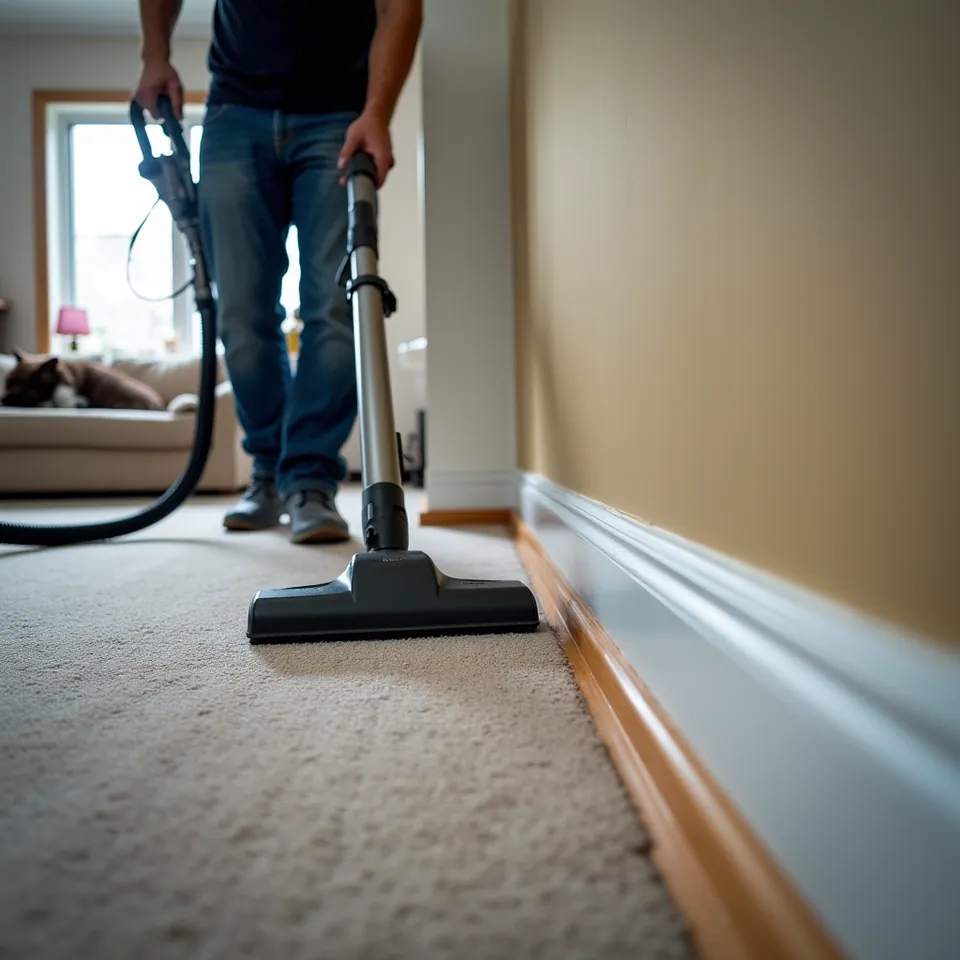
Fleas live in the carpet, not on the pet. And ticks are a health issue in this region.

They almost always arrive inside a bag bought at the grocery store, already infested.
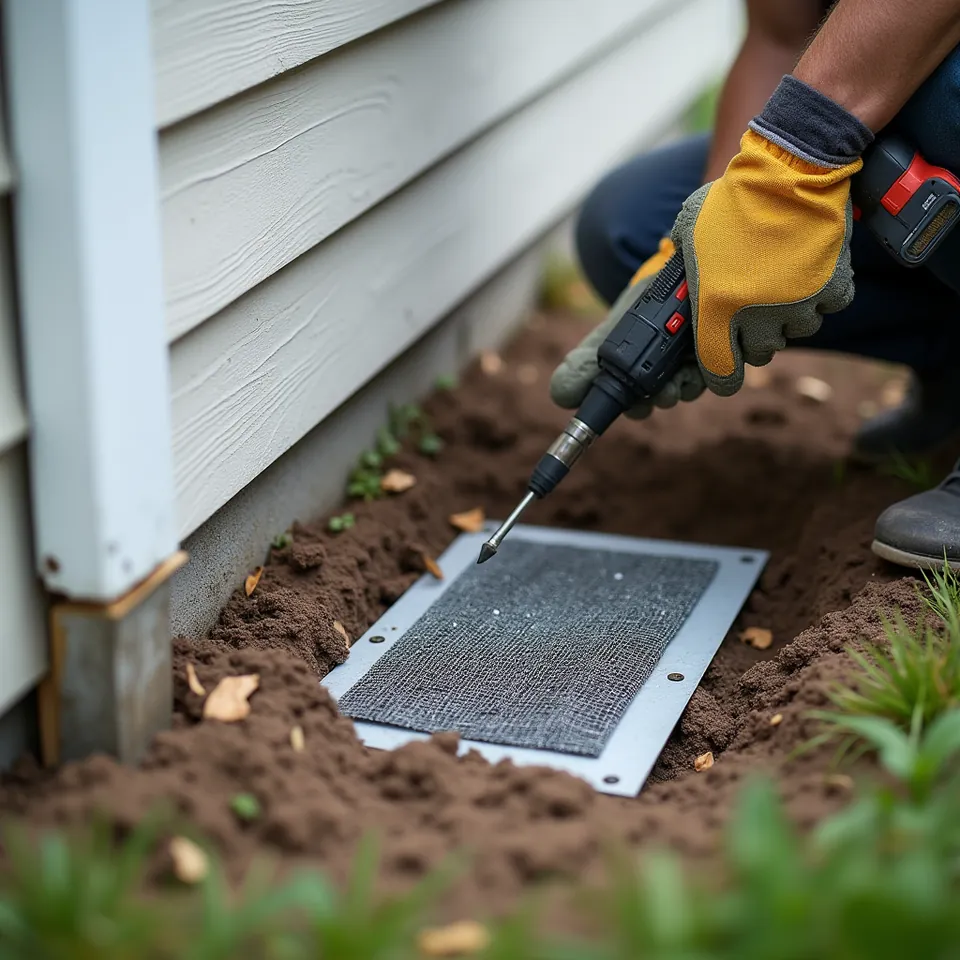
Sealing the entry points. It is the only treatment that solves a problem permanently.
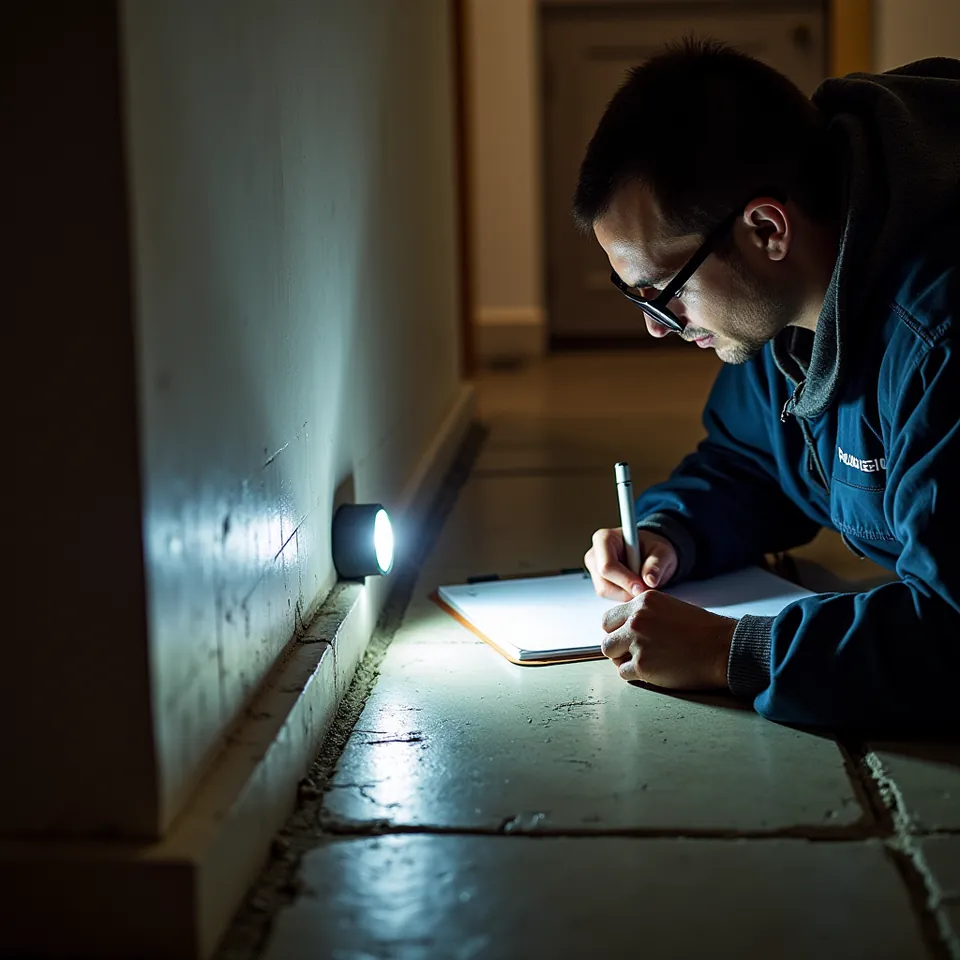
Written report with photos, entry points located and activity level measured, before any treatment.

Restaurants, buildings and warehouses: visit log, numbered stations and documented follow-up.
How we work
A product fades and a population rebuilds. A properly sealed opening stays sealed. That is why treatment without exclusion renews itself indefinitely, and why we look for the cause before proposing a quote.
The order matters too: treat first, confirm activity has stopped with monitoring devices, then seal. Sealing an occupied building shuts the animals inside.
See preventive exclusionSpecies identified, entry points located and photographed, activity level measured with devices rather than estimated by eye.
Number of visits, schedule based on the insect cycle, and what belongs to another trade. The price does not move afterward.
Bait and mechanical methods first, spraying only where justified. The minimum product for the intended result.
The devices confirm activity has reached zero, and only then do we close the openings so it does not start again.
Areas covered
Sherbrooke rental turnover has nothing to do with the farm buildings of Compton or the woodland edge of Ascot Corner. Each area page explains what dominates locally.
Client reviews
He found the mouse entry in twenty minutes: a gap behind the water meter I would never have spotted. Sealed the same day, nothing since.
Carpenter ants in the sill plate. He showed me the wood was damp because of a badly placed downspout. Treating without fixing that would have been pointless.
Three visits for bed bugs, exactly as stated up front. Elsewhere I had been told one would do — now I understand why it had not worked.
Resources

August 19, 2026
They travel through party walls and plumbing chases. The untreated neighbour sends them right back.
August 15, 2026
Foundation flashing, utility entry, dryer vent, soffit: the complete list with what to seal each one with.
August 12, 2026
Six millimetres is enough. Here are the eight places in a local house where that opening already exists.
Frequently asked
Always, and it is billed as real work producing a real document. The amount is deducted if the inspection leads to treatment with us. A significant share of our inspections conclude there is no activity, and we say so.
Within twenty-four to forty-eight hours for wasps near a doorway or living area, since a colony grows all summer. Two to five business days for most other situations, which lose nothing by waiting a few days.
We use the minimum necessary, favour bait and mechanical methods over spraying, and state the re-entry period before starting. Aquariums get covered and pumps switched off. Tell us about any allergy or health condition when booking.
For treatments involving several visits, the number is stated after inspection and forms part of the agreed price. If activity persists past the plan, we come back at no charge. What we do not guarantee is a building staying sealed while entry points remain open.
We do not exterminate bats or any protected species; we exclude them, outside the period when the young cannot yet fly. We do not treat animals — that belongs to a veterinarian. And we never seal a building before confirming nothing is shut inside.
Free quote
We find the entry before setting a trap.
Inspection with a photographed report, entry points located and activity level measured. Price given before starting.